Healing Modality
Lymphatic Drainage
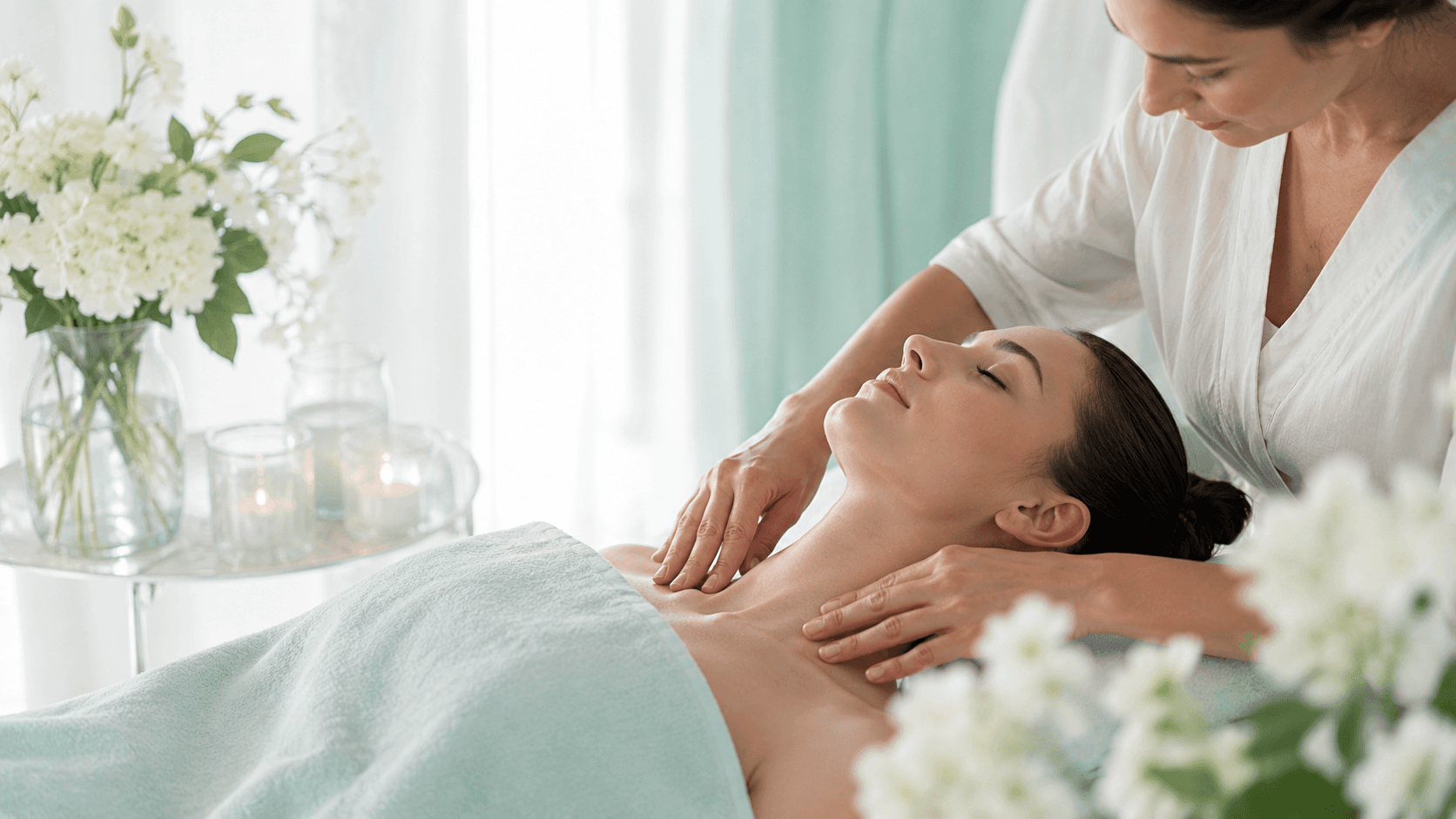
Light rhythmic strokes that reduce swelling and support immunity.
Why It Works
The lymphatic system is your body's primary waste removal and immune defense network, but unlike the cardiovascular system it has no pump. It depends entirely on movement, breathing, and muscle contractions to circulate. When lymph flow becomes sluggish from surgery, illness, inactivity, or stress, fluid accumulates in tissues causing swelling, heaviness, fatigue, and increased vulnerability to infection. This is why people who felt heavy, swollen, and exhausted walk out feeling clean, light, and genuinely restored.
What is LYMPHATIC DRAINAGE?
Lymphatic drainage massage, also called manual lymphatic drainage (MLD), is a specialized gentle technique developed by Danish physiotherapist Dr. Emil Vodder in the 1930s. Certified lymphedema therapists (CLTs) complete extensive post-graduate training to treat lymphedema and related conditions. The technique uses extremely light rhythmic strokes far gentler than standard massage to stimulate lymphatic flow without compressing the delicate lymph vessels.
What to Expect
Sessions begin with diaphragmatic breathing exercises to activate the deep lymphatic vessels of the trunk. The therapist then uses very light rhythmic strokes in precise directions following the lymphatic map of the body. The pressure is surprisingly gentle and most clients find it deeply relaxing. Sessions run 60 to 90 minutes. You may notice increased urination afterward as your body processes and eliminates the mobilized fluid and waste.
Key Benefits
- ✓Reduces lymphedema swelling and fluid retention
- ✓Strengthens immune system function
- ✓Accelerates post-surgical healing and bruising resolution
- ✓Supports the body's natural detoxification
- ✓Reduces the appearance of cellulite
- ✓Relieves chronic sinusitis and congestion
- ✓Improves skin tone and radiance
- ✓Eases fibromyalgia pain and fatigue
Conditions It Helps
Frequently Asked Questions
Preparation & Arrival
What should I wear?
Loose, comfortable clothing that allows access to the areas being treated. You will typically disrobe beneath a draping sheet similar to a standard massage, though some therapists work through light clothing for less clinical applications.
Do I need a prescription or referral?
For general wellness MLD, no referral is needed. If you have clinical lymphedema being treated under a medical program, your physician will typically coordinate care with your lymphedema therapist.
Should I do anything to prepare?
Stay well-hydrated in the days before your session. Avoid heavy meals immediately before. Avoid tight compression garments on the day of your appointment as they can interfere with the therapist's assessment of lymphatic flow.
During the Session
Why is the pressure so light?
The lymphatic vessels run just beneath the skin and are extremely delicate. Heavy pressure actually compresses them, preventing lymph flow. The effectiveness of MLD comes from the precise direction and rhythm of the strokes, not their intensity.
What does it feel like?
The work is very gentle and deeply relaxing. Most clients describe it as a light, rhythmic wave sensation across the skin. The pressure is far lighter than any massage you have likely experienced. Many clients fall asleep.
Will I see or feel results during the session?
Some reduction in swelling and a sense of lightness can begin as early as during or immediately after the session, though the full effects typically continue developing over the following 24 hours.
Aftercare & Results
What should I do after my session?
Drink plenty of water, avoid alcohol, and wear any compression garments prescribed by your therapist or physician. Gentle movement such as walking or diaphragmatic breathing helps maintain the lymph flow activated during the session.
How many sessions will I need?
For general wellness and mild congestion, 1 to 3 sessions often produce noticeable results. Clinical lymphedema treatment typically involves an intensive phase of daily or near-daily sessions followed by an ongoing maintenance phase.
Why do I urinate more after my session?
As lymph flow is stimulated, fluid and metabolic waste that was pooling in tissues mobilizes into the circulatory system and is then processed and excreted by the kidneys. Increased urination is a sign the session worked.
Etiquette & Safety
When should I avoid lymphatic drainage?
Avoid MLD if you have an active infection or fever, acute deep vein thrombosis, active cancer unless supervised by your oncology team, congestive heart failure, or kidney failure. Always disclose your full medical history before your session.
Is lymphatic drainage the same as a regular massage?
No. MLD uses a completely different technique, pressure level, and intent. Regular massage focuses on muscle tissue and uses significant pressure. MLD focuses on the lymphatic system just beneath the skin using extremely light rhythmic strokes. Using massage pressure on the lymphatic system would compress the delicate lymph vessels and impede flow.