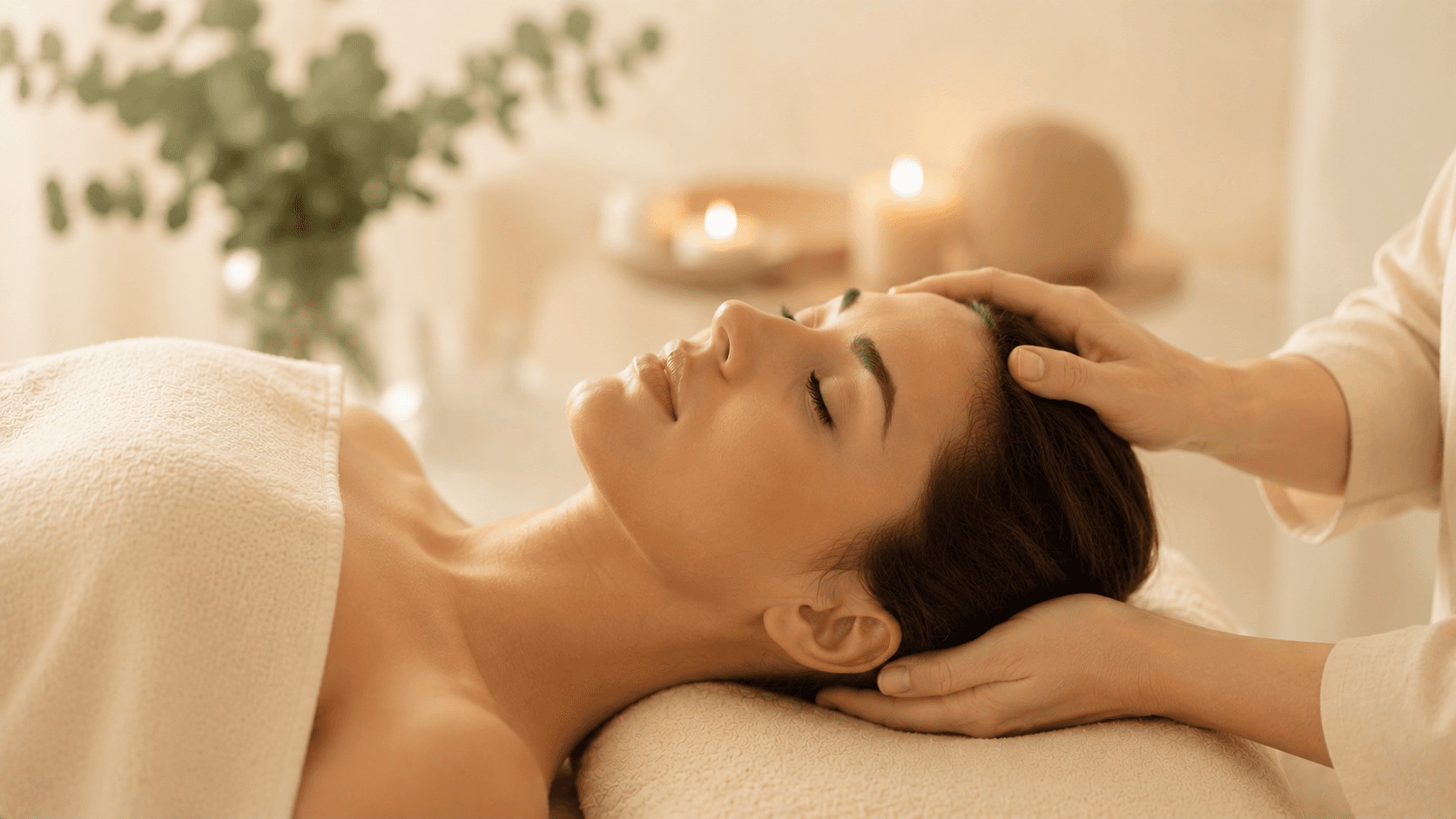
Healing Modality
Craniosacral Therapy
Gentle skull and sacrum holds that quiet the central nervous system.
Why It Works
The craniosacral system includes the membranes and cerebrospinal fluid surrounding the brain and spinal cord, and it has its own subtle rhythmic pulse separate from heartbeat and breathing. When restrictions develop in this system from injury, stress, or trauma, they can disrupt nervous system function and create pain patterns throughout the body. By applying extremely light touch to release these restrictions, CST allows the central nervous system to self-correct. This is why people who have tried everything else finally find the relief they were looking for.
What is CRANIOSACRAL THERAPY?
Craniosacral therapy (CST) is a gentle, non-invasive hands-on technique developed by osteopathic physician John Upledger in the 1970s. Practitioners use no more than 5 grams of pressure, roughly the weight of a nickel, to assess and release restrictions in the craniosacral system. Certified CST practitioners complete post-graduate training through the Upledger Institute and work with clients ranging from newborns to elderly adults.
What to Expect
You lie fully clothed on a treatment table while the therapist uses an extremely light touch at your head, spine, and sacrum. The work is subtle and deeply still. Many clients experience warmth, tingling, emotional releases, or vivid imagery as tensions unwind. Some fall into a deeply altered state of relaxation called a still point. Sessions run 60 to 90 minutes. Effects can continue unfolding for several days after the session as the nervous system integrates the changes.
Key Benefits
- ✓Releases central nervous system tension and restrictions
- ✓Relieves migraines and chronic headaches
- ✓Treats TMJ dysfunction and jaw pain
- ✓Supports concussion and TBI recovery
- ✓Reduces PTSD and trauma patterns stored in the body
- ✓Improves attention and focus in children and adults
- ✓Eases chronic pain including fibromyalgia
- ✓Supports infant health and breastfeeding
Conditions It Helps
Frequently Asked Questions
Preparation & Arrival
How should I prepare for CST?
Wear comfortable, loose clothing since you remain fully clothed throughout. Avoid heavy meals beforehand. Come as relaxed and unhurried as possible since your nervous system's openness to the work significantly affects what is possible in the session. Arrive a few minutes early to transition out of the busyness of your day before getting on the table.
What should I tell my practitioner before we begin?
Share your health history, any areas of chronic pain or tension, any history of head trauma, surgery, or significant stress, and what you are hoping to experience. Also let them know if you have any difficulty lying still or flat, or if you have any areas you would prefer not to be touched.
During the Session
How can such a light touch do anything?
The craniosacral system is exquisitely sensitive and responds to input that heavier pressure would actually overwhelm. The nervous system registers and responds to subtle information in ways that deep pressure simply cannot access. Most clients are surprised by how much they feel from such minimal contact.
What might I experience during a session?
Warmth, tingling, pulsing, a sense of unwinding through the body, emotional releases, vivid imagery, or a profound stillness where the craniosacral rhythm temporarily pauses. Some people feel very little during the session but notice significant shifts in the hours and days that follow.
What if I fall asleep or zone out?
That is a welcomed response. The work continues regardless of your conscious state and many practitioners consider a deeply relaxed or sleeplike state ideal for the nervous system to integrate the changes being facilitated.
Aftercare & Results
How will I feel after my session?
Many people feel deeply calm, lighter, and more present. Some feel emotionally tender or notice old sensations briefly resurface as patterns unwind. Give yourself a quiet transition after your session if possible. Avoid scheduling stressful events immediately afterward.
How many sessions do I need?
For acute issues like a recent concussion or specific injury, 1 to 3 sessions may produce significant relief. Chronic conditions, deeply held trauma patterns, and neurological issues typically respond better to a series of 6 to 10 sessions spaced a week or two apart.
Etiquette & Safety
Is CST safe for infants and children?
Yes and it is one of the most commonly used therapies for infants with birth trauma, colic, breastfeeding difficulties, and developmental concerns. The extremely gentle nature of the work makes it ideal for very young and sensitive clients.
When should I avoid CST?
CST is generally contraindicated immediately after a stroke, in the presence of active bleeding or aneurysm, or with certain skull fractures. Always disclose your full medical history and any recent acute neurological events before your session.